

DIY or Professional Door Repair: How to Make the Right Choice
A sticking door, loose hinge, broken lock, or damaged frame can disrupt your daily routine. While some problems only require basic tools and a little maintenance, others involve structural damage, heavy materials, or mechanical systems that need professional attention. Knowing when to hire a door repairman can help you avoid unnecessary expenses and prevent a minor problem from becoming a costly repair.
The decision depends on the type of door, the cause of the damage, your experience with home repairs, and the safety risks involved. Simple cosmetic issues are often manageable for homeowners. However, damaged entry doors, cracked glass, unstable frames, and garage door spring failures require a more careful approach.
This guide compares DIY and professional repairs so you can evaluate the work, understand potential costs, and choose a suitable repair method.
Door Repair Difficulty: Which Jobs Can You Handle Yourself?
The door repair difficulty varies considerably from one problem to another. Tightening an accessible hinge screw is very different from correcting a warped frame or repairing a heavy sliding glass door. The comparison below provides a practical starting point for evaluating common repair tasks.
| Door Repair Task | Difficulty | Recommended Approach |
|---|---|---|
| Tightening Loose Hinges | Easy | DIY |
| Lubricating Squeaky Hinges | Easy | DIY |
| Replacing a Basic Interior Doorknob | Easy | DIY |
| Replacing Weatherstripping | Moderate | DIY if Experienced |
| Repairing Small Surface Dents | Moderate | DIY if Experienced |
| Correcting Persistent Door Misalignment | Moderate to Difficult | Professional |
| Repairing a Damaged Door Frame | Difficult | Professional |
| Replacing Broken Door Glass | Difficult | Professional |
| Garage Door Spring or Cable Repair | High Risk | Professional Only |
Before starting any repair, consider whether the door is unusually heavy, difficult to support, or essential for home security. Fire-rated doors, automatic doors, and doors with specialized hardware may also require trained technicians. If the problem involves stored mechanical tension or an unstable door, do not attempt a DIY repair.
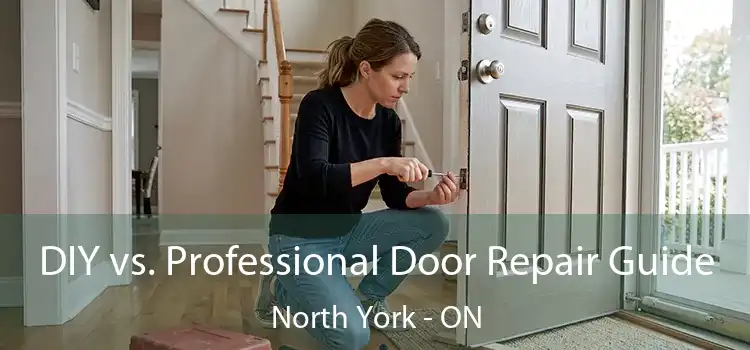
Simple Door Repairs You Can Do Yourself
Minor door maintenance can save homeowners the cost of a service visit. The key is to work only on components you understand and avoid changes that could affect the door's security, weather resistance, or safe operation.
Basic Hinge and Hardware Maintenance
Loose hinge screws, squeaking hardware, and worn interior doorknobs are common problems that may be suitable for DIY repairs. With the door safely supported, homeowners can tighten accessible screws, apply manufacturer-recommended lubricant, or replace a standard interior knob using the appropriate tools. If the hinge pulls away from damaged wood or the door remains misaligned, professional assessment may be necessary.
Minor Cosmetic Repairs and Weatherstripping
Small scratches, shallow dents, and worn weatherstripping can often be addressed without specialized equipment. Appropriate filler, sanding, and finishing products may improve minor surface damage. Replacing removable weatherstripping can also help reduce drafts, provided the replacement matches the door design and does not prevent proper closing or locking.
Avoid cutting or heavily sanding a sticking door before identifying the cause. Moisture, frame movement, or damaged hinges may be responsible, and removing material unnecessarily could make the problem worse.
When to Hire a Door Repairman for Safety and Reliable Results
Professional assistance becomes important when a door no longer provides reliable security, has structural problems, or contains components that can cause injury if handled incorrectly. A technician can inspect the door, identify the underlying problem, and determine whether repairing the existing components is practical.
- Damaged Door Frames: Cracked jambs, rotting wood, loose framing, or a door pulling away from its hinges may require carpentry work and proper structural support.
- Security and Lock Failures: If an exterior door cannot lock securely, a locksmith or qualified door technician should evaluate the hardware and surrounding frame.
- Broken or Cracked Glass: Glass doors and large glazed panels require careful handling, accurate measurements, and compatible safety glazing.
- Persistent Alignment Problems: A door that repeatedly sticks, drags, or fails to latch may have an underlying frame, hinge, or settling issue.
- Heavy Sliding Doors: Large sliding glass panels can be difficult to remove and support safely. Roller, track, and glass repairs may require specialist equipment.
- Garage Door Mechanical Failures: Broken springs, frayed cables, damaged tension hardware, and unstable garage doors must be handled by trained garage door technicians.
Garage door springs and related hardware can store substantial energy. Never loosen spring brackets, tension components, or lifting cables yourself. If the garage door is crooked, has a suspected broken spring, or moves unpredictably, stop operating it and arrange professional service.
DIY Costs vs. the Cost of Professional Door Repair
DIY repairs usually cost less because homeowners purchase materials without paying for labor. However, the savings depend on completing the work correctly. Buying unsuitable parts, damaging the door further, or needing professional assistance after an unsuccessful repair can increase the overall expense.
In the United States, the cost of professional door repair typically ranges from approximately $132 to $372, with an average near $240. Basic labor rates commonly fall between $38 and $80 per hour, although specialty repairs and local market conditions can increase the final price.
| Cost Factor | DIY Repair | Professional Repair |
|---|---|---|
| Labor | Your time | Paid technician labor |
| Materials | Purchased separately | Usually included or itemized |
| Tools | May require purchases | Generally supplied by technician |
| Diagnosis | Based on homeowner experience | Professional inspection |
| Best Application | Low-risk, minor maintenance | Complex, structural, or safety-related repairs |
The lowest initial price is not always the most economical solution. For significant damage, a professional repair may help prevent repeat failures and additional material costs. To compare typical project prices, visit our Door Repair Cost Calculator.
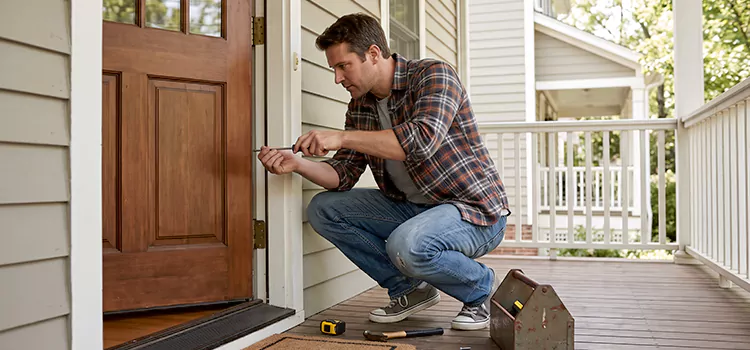
Signs Your Door Needs Replacement Instead of Repair
Some damaged doors are no longer worth repairing. Recognizing the signs a door needs replacement can help homeowners avoid repeated repairs on a door that has reached the end of its useful life.
- Severe Warping: A door that has permanently twisted or changed shape may no longer fit its frame or seal correctly.
- Extensive Wood Rot: Widespread moisture damage can weaken the door and surrounding frame, making localized repairs ineffective.
- Repeated Locking or Alignment Failures: Ongoing issues after proper adjustments may indicate deeper damage.
- Major Structural Damage: Large cracks, broken sections, and compromised door construction can affect security and safe operation.
- Persistent Drafts or Water Entry: If damaged construction or permanent distortion prevents a reliable seal, replacement may be more effective than repeated patching.
As a budgeting guideline, consider comparing replacement options when repair costs approach half the installed price of a comparable new door. This is not a universal rule; door quality, remaining lifespan, safety, and the extent of damage should guide the final decision.
How to Choose the Right Door Repair Professional
Different door problems may require different specialists. A handyman may handle routine hinge adjustments or basic interior hardware repairs, while a carpenter is better suited to damaged frames and difficult door installation work. Locksmiths specialize in locks and security hardware, and garage door technicians handle overhead doors and their mechanical systems.
Before scheduling service, describe the damage, share photographs if available, and request a written estimate. Confirm relevant experience, insurance, applicable licensing requirements, labor charges, material costs, and any workmanship warranty. Comparing the proposed repair scope is more useful than judging providers by price alone.

North York is an eclectic, multicultural district home to the hands-on Ontario Science Centre and the Aga Khan Museum, with exhibits on Islamic culture in a striking modern building. In the area’s north, Black Creek Pioneer Village is an 1800s living museum. Sprawling Downsview Park includes a lake, event spaces, and a flea and farmers’ market, while Edwards Gardens has a greenhouse, fountains, and botanic gardens.